 Belarus
 China
China Nepal
Nepal Bangladesh
 Poland
 Romania
 Slovakia
 Hungary
 N. Macedonia
 Vietnam
 Canada
 Armenia
 UK
UK Australia
 USA
USA Ireland
 Germany
 New Zealand
 Italy
Italy France
 Singapore
 Netherlands
 Sweden
 Switzerland
Your Global Journey, Simplified.
Join 5,000+ students who secured their dream university
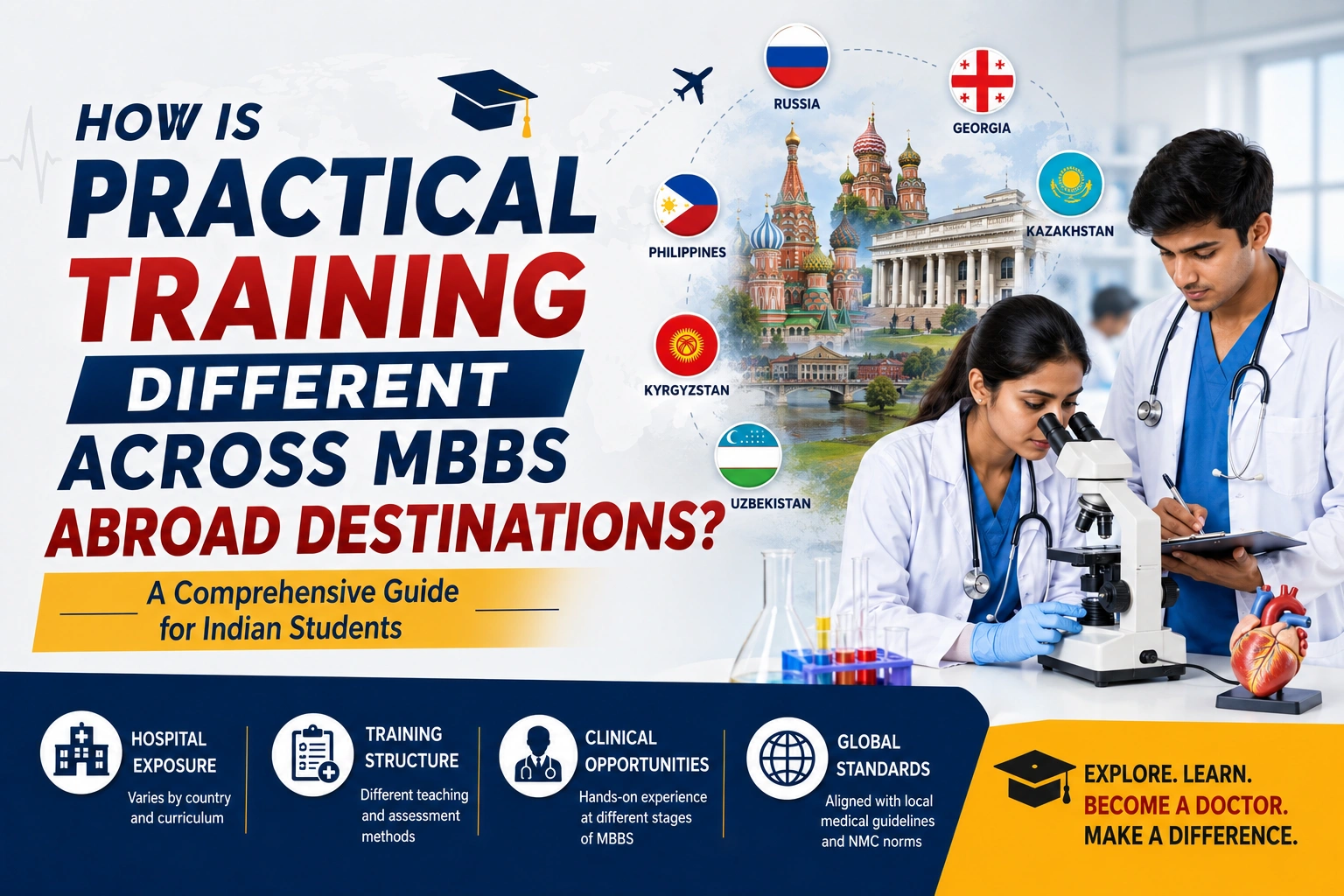
 Russia
 Georgia
 Kazakhstan
 Kyrgyzstan
 Uzbekistan
Why Study MBBS Abroad?
- Affordable Fees – Much lower than private colleges in India
- English Medium – No language barrier
- WHO, NMC Approved Degrees
- Modern Labs & Good Clinical Exposure
Register Now for Study MBBS Abroad
Institute of the Federal Security Service of the Russian Federation
About Institute of the Federal Security Service of the Russian Federation:
Established in 1995, Institute of the Federal Security Service of the Russian Federation is a premier medical educational Institution in Russia offering high-quality education to local citizens or foreign students who come from other countries to study MBBS at Institute of the Federal Security Service of the Russian Federation.
Institute of the Federal Security Service of the Russian Federation is recognized by the prominent International organization WHO (World Health Organization) and is also recognized by National Medical Commission (NMC) of India which ensures that the MBBS degree of Institute of the Federal Security Service of the Russian Federation is globally valid.
The Federal Security Service of the Russian Federation is the principal security agency of Russia and the main successor agency to the Soviet Union's KGB; its immediate predecessor was the Federal Counterintelligence Service (FSK), which was reorganized into the FSB in 1995. The three major structural successor components of the former KGB that remain administratively independent of the FSB are the Foreign Intelligence Service (SVR), the Federal Protective Service (FSO), and the Main Directorate of Special Programs of the President of the Russian Federation (GUSP).
Few highlights of Institute of the Federal Security Service of the Russian Federation:
| Category | Details |
| Official Name | Institute of the Federal Security Service of the Russian Federation |
| Year of Establishment | 1995 |
| Type | Public |
| Recognition | WHO and NMC |
| Countrywide Ranking | 330th |
| Worldwide Ranking | 14750th |
| Eligibility | 50% in Physics, Chemistry and Biology aggregate |
| Course Offering | MBBS |
| Duration of Course | 5+1 years |
| NEET | Compulsory |
| IELTS / TOEFL | Not required |
| Medium of Teaching | English |
Why choose Institute of the Federal Security Service of the Russian Federation:
- Globally Recognized Universities: Institute of the Federal Security Service of the Russian Federation is approved and recognized by National Medical Commission (NMC), World Health Organization (WHO), FAIMER and WDOMS. This global recognition allows students to practice medicine not only in India but also in other developed countries after clearing their respective licensing exams.
- Affordable Tuition fees: Compared to private medical colleges in India, MBBS in the Institute of the Federal Security Service of the Russian Federation costs significantly less. The average annual tuition fee ranges from INR 2.8 to 4.5 Lakhs in Russia, making it highly economical.
- Infrastructure: Institute of the Federal Security Service of the Russian Federation has a beautiful & modern campus, well equipped laboratories, libraries (containing books, references, journals, research papers, editorials etc) and modern classrooms.
- Quality education: Institute of the Federal Security Service of the Russian Federation offers quality MBBS education at affordable fees, in English language, University offers practical training along with theoretical knowledge.
- Globally accepted degree and has tie-ups and collaborations with Universities all over the world.
- No additional entrance exam: Admission requires qualifying for NEET only.
- Institute of the Federal Security Service of the Russian Federation has team of highly qualified and skilled Professors who also guide students personally.
- Budget friendly: Institute of the Federal Security Service of the Russian Federation offers MBBS courses in comparatively very less than in India.
- International students: Institute of the Federal Security Service of the Russian Federation welcomes students from different countries in a great, peaceful and civilized environment, which makes Institute of the Federal Security Service of the Russian Federation globally considerable.
- Career prospect: Institute of the Federal Security Service of the Russian Federation provides best hospitals for clinical practices to students which makes students theoretically knowledgeable and practically skilled.
Institute of the Federal Security Service of the Russian Federation — Rankings
- The countrywide ranking of the Institute of the Federal Security Service of the Russian Federation is 330 th.
- The worldwide ranking of the Institute of the Federal Security Service of the Russian Federation is 14750 th.
Eligibility To Study in Institute of the Federal Security Service of the Russian Federation:
- 12th Pass with Physics, Chemistry &
Biology
- Minimum 60% in PCB (may vary)
- Minimum age: 17 years
- English proficiency required
- No university entrance exam (home country exam may
apply)
- Required documents: Passport, academic certificates,
medical certificate, photos
- Student visa (Type D) required after admission
Admission Process Of Institute of the Federal Security Service of the Russian Federation:
1.Check Eligibility:
Before applying, you must meet these requirements:
- Completed class 12(10+2) with Physics,Chemistry & Biology
- Qualified NEET-UG exam(mandatory for indian students)
- At least 17 years old by 31 Dec of the admission.
2.Submit Application:
- Fill out the online application form on the university’s website.
- Upload scanned documents which include
1.Class 10th and 12th certificates.
2.NEET scorecard
3.Passport copy
4.Passport size photos
5.Birth Certificate
6.Migration Certificate(if applicable)
3.Apply for Student Visa
Apply for a student visa at the Georgian Embassy or Consulate in India. Submit passport, admission letter, medical certificates, financial proofs, photos, and visa forms.Finally, attend any visa interview if required.
4.Lastly, pay the required fees.
Documents Required for Institute of the Federal Security Service of the Russian Federation:
1. Documents for Admission (Invitation Letter)
To get your official "Invitation to Study," you must initially provide scanned copies of:
- Passport: Copy of the data page (must be valid for at least 1–2 years).
- Educational Certificates: 10th and 12th-grade Marksheets and Passing Certificates.
- NEET Scorecard: Mandatory for Indian students (must be "Qualified").
- Consent Form: A signed document allowing the university to process your personal data.
2. Documents for the Student Visa (Embassy Level)
Once you receive your Invitation Letter, you will need the following for your visa interview:
- Original Invitation Letter: The physical copy sent by the university.
- Valid International Passport: Original document.
- Birth Certificate: Officially translated and notarized.
- Medical Fitness Certificate: Issued within the last 2 months, confirming you are fit for study.
- HIV & Hepatitis B/C Test Reports: Negative results are mandatory.
- Financial Proof: Bank statements (usually covering the last 3–6 months) to prove you can afford tuition and living costs (approx. $3,000–$5,000 balance is often recommended).
- Sponsorship Affidavit: If your parents are funding your education.
- Photographs: 10–12 recent passport-size photos (3.5 x 4.5 cm or 3 x 4 cm, matte finish).
Hostel facility in Institute of the Federal Security Service of the Russian Federation:
Military-Style Barracks with Strict Discipline
Rooms follow standard cadet barracks layout with bunk beds, metal lockers, shared bathrooms, and minimal personal space—designed for security training efficiency rather than comfort. Daily routines start at 6 AM with roll calls, physical training, and uniform inspections, creating intense discipline ideal for FSB operations but challenging for MBBS students seeking flexible study schedules. No private AC rooms or entertainment amenities; focus remains operational readiness over relaxation.
High-Security Perimeter with Restricted Access
24/7 armed guards, multiple checkpoints, surveillance cameras, and electronic fencing ensure maximum protection typical of intelligence facilities—students undergo daily ID verification and bag checks. Perimeter patrols and visitor bans eliminate casual social life; family visits require high-level clearance, making it unsuitable for international students wanting cultural events or weekend outings. Internet access limited to approved educational sites only.
Basic Communal Facilities Without Cultural
Comforts
Shared canteen serves standard Russian military rations (buckwheat kasha, soups, bread, tea)—no dedicated Indian mess or familiar vegetarian/non-veg options like dal-roti-curry, requiring students to adapt completely to local cuisine. Laundry handled by facility staff weekly; no individual washing machines or dryers available. Gymnasiums emphasize combat training (boxing, wrestling) over recreational fitness for medical students.
Structured Study Environment with Operational
Focus
Dedicated study halls feature rows of communal tables under supervision—no late-night self-study freedom typical of medical universities; lights-out enforced at 10 PM sharp. Library contains security/intelligence materials primarily, lacking extensive medical journals or PubMed access essential for MBBS curriculum. Group study permitted only for approved security-related projects, not FMGE preparation.
Limited Social Life and Cultural Isolation
No Indian student associations, Diwali/Holi celebrations, or cricket tournaments—social interactions restricted to Russian cadets under constant monitoring. Weekend activities limited to compulsory military drills or approved lectures; no city exploration, beach trips, or entertainment typical of Kaliningrad/Vladivostok medical campuses. Homesickness challenging without familiar food, festivals, or peer support networks.
Health Services Geared Toward Tactical Readiness
On-site medical clinic provides basic check-ups, vaccinations, and emergency care focused on combat injuries rather than routine student wellness. No mental health counseling, yoga classes, or FMGE stress management programs available. Dental services basic; specialized care requires transport to external military hospitals under escort.
Career-Oriented but Non-Medical Environment
Living arrangement prepares graduates for FSB operational deployments rather than global medical practice—networking focuses on security careers, not hospital residencies or USMLE preparation. Alumni connections valuable for intelligence work but irrelevant for Indian PG seats, FMGE success, or international medical licensure pathways.
Student life at Institute of the Federal Security Service of the Russian Federation:
- Diverse culture: Russia’s rich culture provides a unique cultural experience for students.
- Rich cuisine: Russia’s rich cuisine offers an excellent experience for Indian students, exploring local dishes such as Shkmeruli chicken, Tabaka, chicken, Mtsvadi.
- Diversity: Institute of the Federal Security Service of the Russian Federation has students from different cultures, nations, societies, languages and different continents, which reflects the beautiful diversity which helps in the overall personality development of the students.
- Leisure: Russia has an efficient and affordable transport facility which allows students to explore the country’s rich history and culture during their free time.
- Affordable accommodation: Including university’s hostels, Nizhny Novgorod offers a wide range of affordable, clean, and luxurious accommodations like flats, rooms, PGs and apartments on rent.
- Amusement: The nightlife of Nizhny Novgorod city is safe and pocket friendly, there are beautiful cafes, clubs, pubs and a lot of theme based restaurants.
- A beautiful place: Russia is known for its scenic beauty, low crime rate, safety, green environment and inclusive society.
- Festival celebration: Institute of the Federal Security Service of the Russian Federation celebrates a lot of festivals related to different cultures. Festivals offer numerous benefits to students, like it provides a platform for students to showcase their cultural heritage, traditions, and talent. Festivals celebrate diversity, promoting unity and inclusivity among students from different backgrounds and different cultures. It promotes opportunities for students to take on leadership roles, developing their organizational and management skills.
- Concerts: Institute of the Federal Security Service of the Russian Federation organizes concerts regularly which helps students to diverse music genres, promoting cultural awareness and appreciation. It provides opportunities for students to interact, socialize, and bond over shared interests, and also help create a sense of community among students, faculty, and staff. Concerts help students in stress relief, boosting mood and a lot of psychological advancements.
- Sports tournaments: Institute of the Federal Security Service of the Russian Federation organises sports tournaments on a regular basis, which promotes physical activity, improving overall health and well-being. Participating in sports can help reduce stress and anxiety. Tournaments provide opportunities for students to interact with peers from different backgrounds and departments. Institute of the Federal Security Service of the Russian Federation engages local communities, promoting social responsibility and civic engagement.
- Play and Dramas: Institute of the Federal Security Service of the Russian Federation offers students to participate in Play and Dramas which help students build confidence and self esteem, encourages students to think creatively and explore their imagination. Acting, directing, and producing plays and dramas require effective communication, which can enhance students' verbal and non-verbal communication skills. Participating in plays and dramas can be a fun and engaging way to relieve stress and anxiety.
- Volunteer events: A lot of social volunteer groups are active in Institute of the Federal Security Service of the Russian Federation which offers students to come and contribute. Volunteer activities encourage students to engage with their community and develop a sense of social responsibility. Volunteering can help students develop valuable skills, such as communication, teamwork and leadership. Volunteer events can help students develop a sense of purpose and identity.
- Community services: Institute of the Federal Security Service of the Russian Federation often organizes community service days where students can participate in various activities.
- Environmental initiatives: Institute of the Federal Security Service of the Russian Federation regularly organizes environmental initiatives, such as clean-up events, tree planting or sustainability projects to increase the environmental concerns among students.
- Exhibitions: Institute of the Federal Security Service of the Russian Federation students regularly provide opportunities to take part in Art, Photography, craft and science exhibitions. It provides a platform for students to showcase their research, projects, and innovations. It brings students and faculty from different departments and disciplines, promoting collaborations and sharing ideas. It also offers students the opportunity to connect with industry professionals, potential employers.
- Orientation programs: Institute of the Federal Security Service of the Russian Federation organizes Welcome events for new students. It helps new students transition smoothly into college life, It provides essential information about policies, procedures and rules followed in college. It provides opportunities to meet fellow students, faculty and staff.
- Alumni reunions: Institute of the Federal Security Service of the Russian Federation from time to time organises Alumni events, reunions and mentorship programs. It provides opportunities to reconnect with former classmates and friends, it facilitates connections with professionals in the medical field. It promotes relationships between experienced alumni and recent graduates. Students can engage in lifelong learning, expanding their knowledge and skills. It also fosters engagement and loyalty among graduates. Alumni events celebrate graduates' achievements and recognize their contributions to their fields.
- Recreational activities: Institute of the Federal Security Service of the Russian Federation regularly organises recreational activities for its students for their holistic development. It provides opportunities to meet new people and build friendships. It encourages teamwork and communication skills, It encourages diversity and inclusion, builds confidence and self esteem and helps students develop new skills and achieve personal goals.
Frequently Asked Questions
It is a higher education and training institution run by the Russian security service. It trains officers and specialists in areas such as:
- Counterintelligence
- Information security and cryptography
- Foreign intelligence analysis
- Border and national security operations
Graduates usually become officers within the Federal Security Service of the Russian Federation or related government agencies.
Typical eligibility requirements include:
- Russian citizenship
- Completion of secondary school or higher education
- Passing security background checks
- Meeting medical and physical fitness standards
- Passing entrance examinations
Foreign citizens usually cannot enroll because the institute trains personnel for Russian national security.
Programs usually include:
- Law and national security legislation
- Foreign languages
- Intelligence analysis
- Cybersecurity and cryptography
- Information technology and communications
- Military and physical training
Some programs are similar to university degrees but with security and intelligence specialization.
Yes. Cadets usually receive:
- A monthly stipend or salary
- Free tuition
- Accommodation and meals
- Uniforms and medical care
In return, graduates normally commit to serving in the FSB for a number of years.