 Russia
 Belarus
 Georgia
 Kazakhstan
 Kyrgyzstan
 Uzbekistan
 China
China Nepal
Nepal Bangladesh
 Poland
 Romania
 Slovakia
 Hungary
 N. Macedonia
 Vietnam
 Canada
 Armenia
 UK
UK Australia
 USA
USA Ireland
 Germany
 New Zealand
 Italy
Italy France
 Singapore
 Netherlands
 Sweden
 Switzerland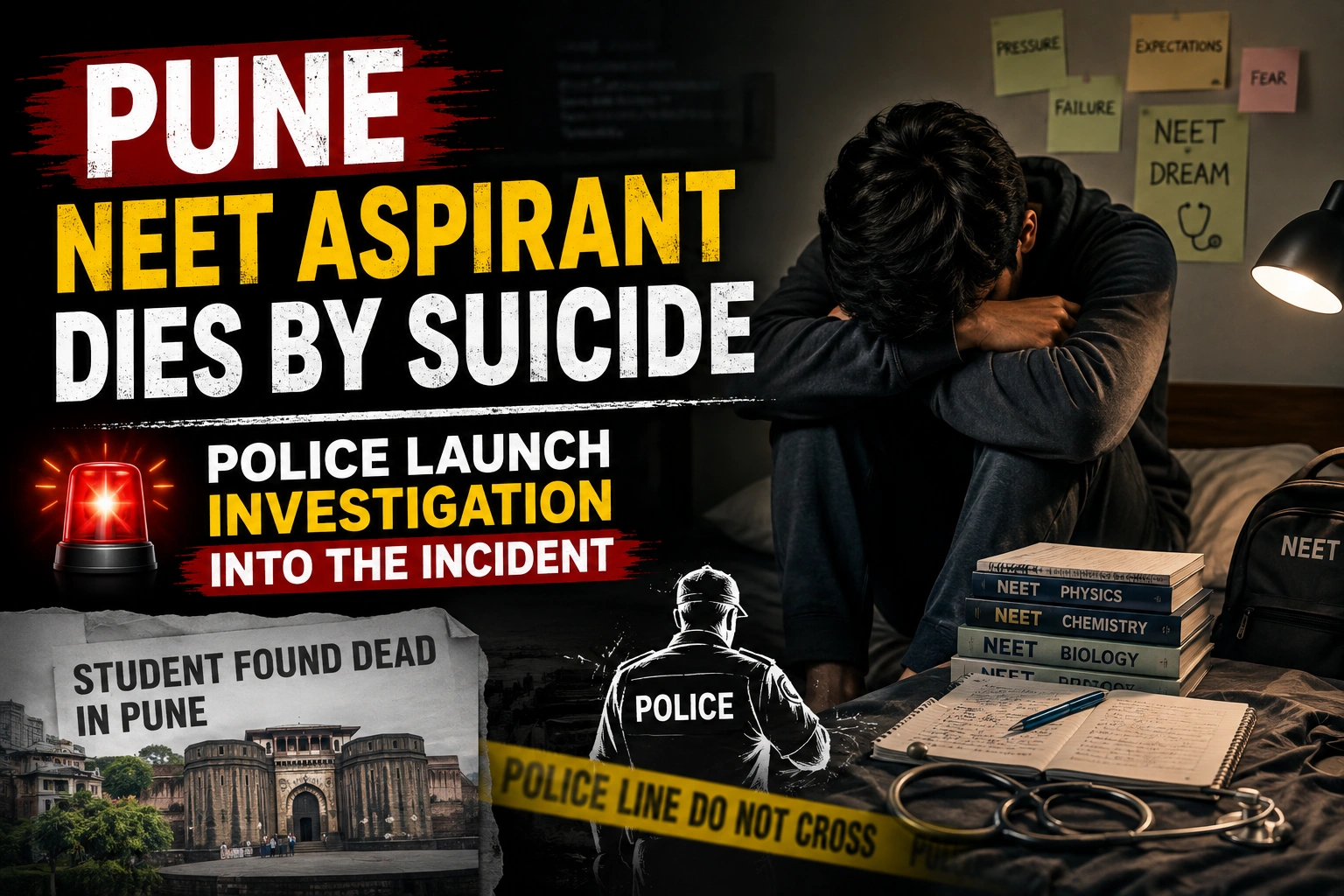
The tragic death in Pune of a NEET candidate has again brought to light the enormous academic pressure that medical candidates face across India. Initial police reports claim that the student committed suicide. An investigation is underway to determine what led to the incident. Although the exact cause of the incident has not yet been determined, it has re-ignited the discussion about mental health and examination stress. It also brought up family expectations as well as the competitive nature of medical school admissions.
Each year, thousands of students prepare to take India's most difficult medical entrance exam. Many students achieve their goals, but a large number of them struggle with anxiety and depression during the preparation period. This incident is a reminder to students that their mental health should not be sacrificed in order to achieve success on an exam.
Students who are preparing to take NEET must remember that one exam cannot determine their future. All of these factors play a role in creating an environment that is more supportive for future doctors.
Pune NEET aspirant's death: What we know so far
According to information provided by police authorities, an NEET candidate in Pune is believed to have committed suicide. Officials arrived at the scene shortly after receiving the information, and began legal proceedings. Investigators collected evidence, recorded statements of family members and others connected to the student and sent the body for a post-mortem.
The exact cause of the incident has not been confirmed by the authorities. Police officials said that they are investigating all angles and will draw conclusions only after reviewing the available evidence.
Students, teachers and parents in the entire country have been deeply affected by this incident, especially those who are involved with NEET preparation.
Rising Pressure Among NEET Aspirants
The number of candidates who appear for NEET each year continues to grow. The number of government MBBS slots is limited. This makes the competition for these seats extremely fierce.
Students spend between one and three years studying for the exam. The pressure of long study hours, mock tests repeated, coaching schedules and family expectations can be overwhelming.
Aspirants start comparing themselves to peers using mock test scores, rankings, and social media discussion. This comparison affects the confidence of students and causes stress.
Students who wish to know their performance in advance of results can use the NEET Predictor. This will help them understand possible outcomes, and eliminate unnecessary speculation.
Why mental health is important during NEET preparation
Preparing for medical entrance exams is not just a difficult academic task, but also emotionally draining.
Students experience:
- Fear of failure is a constant fear
- Sleep deprivation
- Social Isolation
- Anxiety during mock tests
- Family expectations are high
- Fear of future career opportunities
Mental health experts have repeatedly stated that stress, without emotional support, can negatively impact academic performance as well as overall wellbeing.
Instead of focusing on grades, parents should communicate regularly with their children. Even the most successful student can struggle silently with emotional issues.
Police Investigation Continues
Pune Police has launched a thorough investigation following the incident.
Officials are currently examining
- Family members' statements
- Students' academic background
- Personal belongings
- If required, electronic devices
- Written communication or evidence
The authorities have asked the public to refrain from spreading rumors and speculating about the cause of the incident, until an official investigation has been completed.
Reporting with care is important because premature conclusions can cause family distress and mislead public opinion.
Medical Entrance Competitions in India: The Real Facts
India's medical admission system is one of the most competitive in the world.
Every year
- NEET is a test that more than 20 lakh students take.
- Government MBBS seats remain limited.
- Many deserving students miss admission despite scoring well.
- The cut-offs for each category, state and counseling round are different.
Students often have unrealistic expectations due to this intense competition.
Experts encourage aspirants to concentrate on improving themselves continuously rather than comparing them with others.
Understanding that one exam does not determine your career
Students should be aware that there are several other options available to them after NEET.
After carefully checking university recognition, and eligibility requirements, candidates who cannot secure a seat in a government-funded medical school may consider private colleges or MBBS abroad.
It is better to consider an alternative academic path as a decision based on information rather than a compromise. After completing the admission requirements, thousands of Indian students pursue medical education overseas every year.
Role of parents during competitive exam preparation
Parents have a significant impact on a student’s emotional health during the entire preparation process.
Parents should not limit their conversations to grades and rankings, but instead encourage them to include topics such as stress, confidence and general well-being.
Parenting that is supportive includes listening to children without judging them, recognizing their efforts, and assuring them that academic setbacks are part of life.
Students who receive emotional support are better able to cope with the pressure of exams.
The Coaching Institutes also share responsibility
The coaching institutes are a key factor in determining the learning environment of NEET aspirants.
Institutes can also contribute to the academic community by:
- Regular counselling sessions.
- Encourage realistic goal setting.
- Reduce unhealthy comparisons between students
- Teachers are trained to recognize signs of emotional distress.
- Encourage balanced study schedules that include adequate breaks.
Both academic performance and mental health can be improved by a healthy educational environment.
Recognizing early warning signs of emotional distress
Although stress is normal during competitive exams, prolonged emotional problems should not be ignored.
If a student is experiencing a constant feeling of hopelessness, withdrawing from friends or family, anxiety, difficulty concentrating, sleep disturbances or repeated feelings of worthlessness, they may need immediate help.
Asking for help from qualified mental health professionals, trusted family members, teachers or school counselors can make a significant difference. It is never a sign of weakness to ask for help.
Government and Educational Institutions need more mental health support
Experts have repeatedly recommended that schools, coaching institutions, and higher education institutions should implement stronger psychological support systems.
Some of the initiatives that could be implemented include mental health awareness programs, confidential counseling services, stress management seminars, and teacher-training to identify students in need.
It is just as important to create a culture in which students can discuss emotional issues with ease, as it is to improve academic resources.
Official Guidelines for Students to Know
Students who plan to study medicine should always rely upon authentic information provided by recognized authorities.
The National Medical Commission updates its regulations on medical education, foreign medical graduates, and eligibility.
The National Eligibility cum Entrance Test official website provides notification of examinations, counseling information, and admission updates.
If you are considering an international medical degree, it is important to check if the university that you choose is listed in the World Directory of Medical Schools.
The World Health Organization is one of the best international resources for a broader view on global health initiatives and education.
Students can avoid misleading information by relying on only verified sources of information and making informed decisions if they rely only on verified sources.
How to Manage Stress in Students with NEET Effectively
It is important to maintain emotional equilibrium throughout the preparation process, just as it is to study consistently.
Reduce unnecessary stress by creating a schedule with daily goals that are realistic. Regular sleep, healthy meals, moderate physical exercise, and short breaks all improve productivity and concentration. Avoid excessive comparisons on social media as they can create unrealistic expectations.
Relaxation techniques, maintaining a connection with family members who are supportive, and openly discussing concerns can reduce anxiety related to exams.
Students should realize that their academic performance is only a part of who they are, and not the entirety.
Conclusion
The tragic death in Pune of a NEET aspirant serves as a reminder of the emotional struggles many students experience during the preparation for competitive exams. The police investigation is ongoing and authorities are working to determine the exact circumstances of the incident. However, the larger conversation should focus on improving mental health support across the country.
NEET success is an important milestone in the career of aspiring doctors. However, no exam is worth risking one's emotional wellbeing. Parents, educators and coaching institutes must all work together in order to create a supportive environment for students.
Every academic journey is different. There are many ways to become a successful doctor, whether through government colleges or private institutions. The right guidance, the verified information, emotional resiliency, and timely assistance can help every aspirant pursue their dream confidently while prioritizing mental health.
For reliable guidance related to NEET, MBBS admission and medical education options, students can also refer to MBBS Advisor.